Real Relief for Dry, Burning, and Gritty Eyes
If your eyes feel dry, gritty, or constantly irritated, you’re not alone — and you don’t have to keep managing symptoms with eye drops that offer only temporary relief. At Heffington’s, we use advanced technology to treat the root cause of dry eye disease, helping patients in Springfield and southwest Missouri find real, lasting comfort.
What Is Meibomian Gland Dysfunction (MGD)?
Most chronic dry eye is caused by a condition called Meibomian Gland Dysfunction. Every time you blink, a thin protective layer called the tear film coats the surface of your eye. The meibomian glands in your eyelids produce an essential oil — called meibum — that keeps that layer stable and prevents tears from evaporating too quickly.
When these glands become blocked or stop producing enough oil, your tear film breaks down. The result is the dry, uncomfortable symptoms that make everyday activities frustrating.
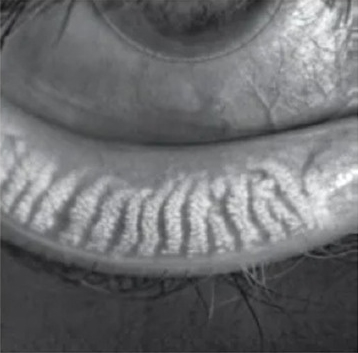
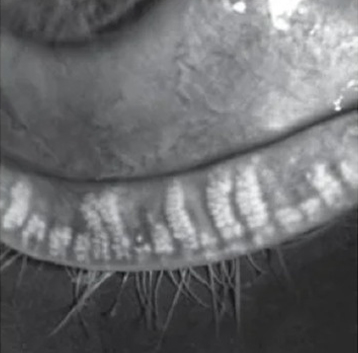
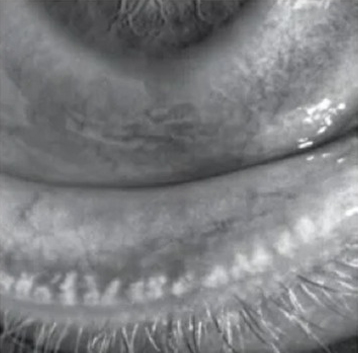
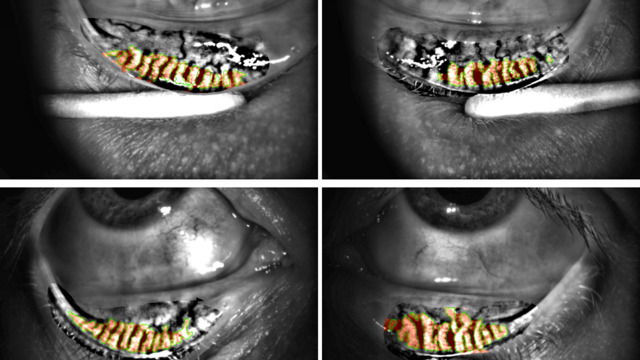
Meibography · gland health
Healthy meibomian glands appear as full, dense, parallel structures along the eyelid.
Common symptoms of MGD and dry eye include:
Dry eye is both very common and very treatable. Symptoms tend to get worse if ignored, but the right treatment can bring real, lasting relief.
At Heffington’s, our dry eye treatments are designed to target the root cause of your symptoms, ensuring that your eyes feel comfortable all day long. Whether your discomfort is mildly frustrating or a major obstacle, we can help you find a solution that fits.

How We Diagnose Dry Eye
Meibography
Infrared imaging of the meibomian glands to evaluate their structure and function.
Tear Break-Up Time (TBUT)
A clinical eye test that measures the stability of your tear film.
Personalized Plan
We recommend the treatment approach best suited to your eyes.
Before recommending any treatment, we perform a thorough dry eye assessment. A key part of this is meibography, infrared imaging of the meibomian glands that allows us to evaluate their structure and function. We also utilize the Tear Break-Up Time (TBUT) test, which measures the stability of your tear film. Most comprehensive eye exams are covered by insurance, and the tear assessment is typically included.
Based on your results, we’ll recommend the treatment approach best suited to your eyes.
IPL Therapy for Dry Eye
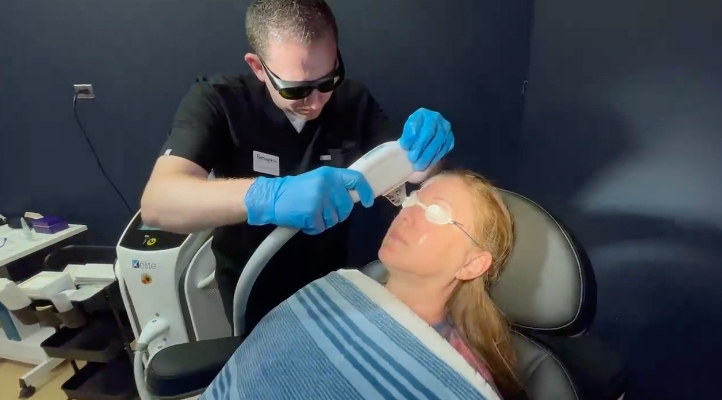
Intense Pulsed Light (IPL) therapy is one of the most effective treatments available for meibomian gland dysfunction and chronic dry eye. IPL works through a process called selective photothermolysis — precise wavelengths of broad-spectrum light are absorbed by blood vessels and chromophores in the skin around the eyelids. This reduces the inflammation driving gland dysfunction and helps liquefy thickened oils blocking the meibomian glands, restoring the natural oil layer that keeps your tear film stable.
Unlike artificial tears or prescription drops that require ongoing use, IPL stimulates your glands to resume normal function — delivering cumulative, lasting results rather than temporary relief. Treatment sessions are quick, comfortable, and require no downtime.
Heffington’s offers two IPL platforms — iProElite and iProX — allowing our doctors to match the right technology to each patient’s needs.
Our Treatments
Heffington’s was the first eye clinic in Springfield to offer iLUX2® for MGD treatment. Today, we offer a full suite of advanced dry eye therapies — each designed to address the root cause rather than just mask symptoms.
Choose a system · tap to compare

- No downtime
- Improvement in weeks
- Most advanced platform
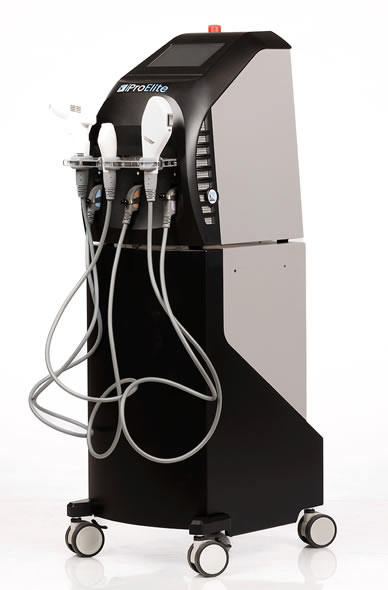
iProElite
Next-Generation Multi-Platform IPL Therapy
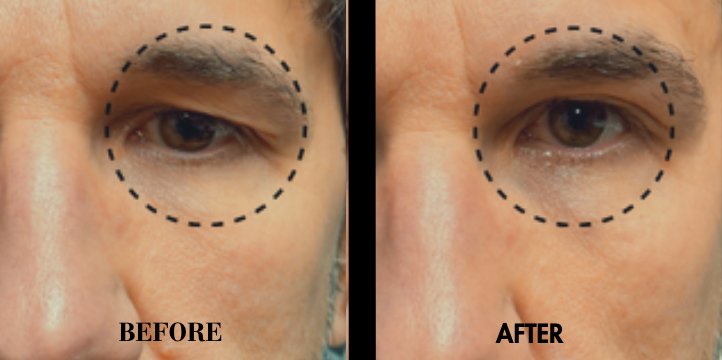
The iProElite is our most advanced and most recently acquired technology, combining ultra-short pulse Intense Pulsed Light (IPL) technology with multiple therapeutic approaches in one platform. IPL works by delivering precise wavelengths of light energy that are absorbed by blood vessels around the eyelids. This reduces inflammation and helps unblock meibomian glands so they can produce the oils your tear film depends on. The iProElite also incorporates radiofrequency (RF) alongside IPL for additional skin rejuvenation and improved meibomian gland function.
Treatments are quick and comfortable, with no downtime. Most patients begin noticing improvement within a few weeks of starting therapy.
Treatment focus
- 10–15 min sessions
- 10 pulses / second
- Integrated cooling
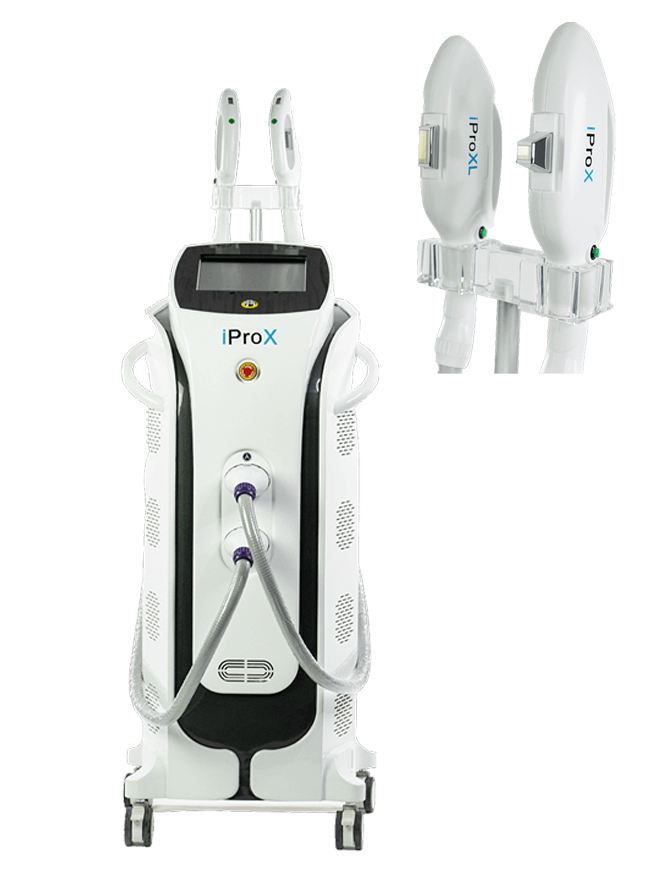
iProX
Advanced IPL for Chronic Dry Eye
For patients with persistent or severe dry eye, the iProX delivers broad-spectrum light energy at ten pulses per second. The therapeutic warmth liquefies thickened oils blocking the glands while targeted light reduces the abnormal blood vessels that drive eyelid inflammation. An integrated cooling system keeps the experience comfortable throughout.
The iProX also provides antimicrobial benefits, reducing bacteria and Demodex mites that contribute to blepharitis and eyelid inflammation. Treatment sessions typically take just 10 to 15 minutes, and — unlike artificial tears or prescription drops — the results are cumulative, not temporary. Because IPL targets melanin and hemoglobin in the skin, it is also versatile beyond dry eye: it can treat rosacea, telangiectasia, and hyperpigmentation, and improve overall skin appearance by reducing redness, evening out skin tone, and minimizing fine lines and enlarged pores. Proper patient assessment and adherence to pre- and post-treatment protocols are essential for optimal results.
iProX and InfinityPro
- ~45 min procedure
- Up to a year of relief
- BlephEx prep included
iLUX2®
Targeted MGD Treatment
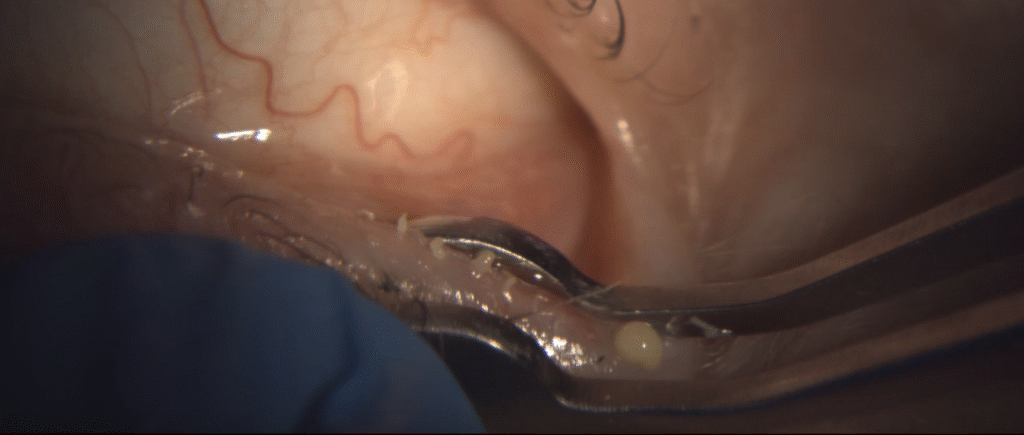
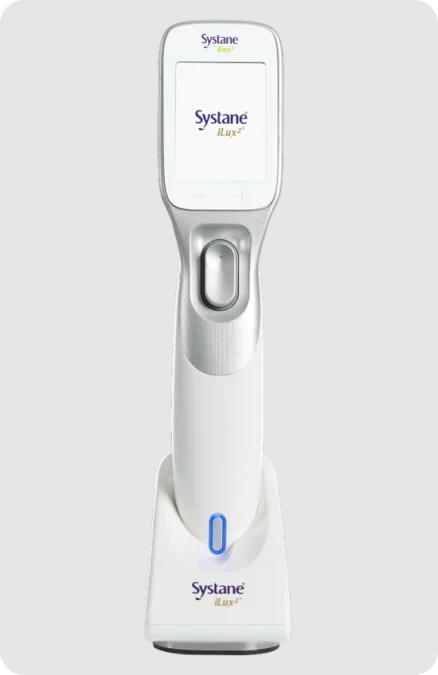
The iLUX2® is a handheld, in-office device that treats MGD in two steps. First, your doctor uses it to photograph your meibomian glands, identifying exactly where blockages exist. Then, using gentle therapeutic warmth, the device expresses the eyelids to unblock the glands and restore healthy oil production.
Unlike drops or warm compresses at home, iLUX2® works directly at the source. The procedure takes about 45 minutes, and most patients experience a full year of relief after a single treatment. We also use BlephEx to clean the eyelid surface before treatment — an often-overlooked step that removes bacteria and debris contributing to gland dysfunction.
Note: This dry eye treatment is designed only for adults with MGD and that it heats and compresses glands in the eyelids. Potential side effects may include eyelid/eye pain requiring stopping the treatment procedure, eyelid/eye irritation or inflammation, temporary reddening of the skin, and other eye symptoms (burning, stinging, tearing, itching, discharge, redness, feeling like there is something in the eye, changes in your vision, sensitivity to light). Ask us for a complete list of safety information for the iLUX2 Device.
- Non-invasive
- Gentle complement to IPL
- Cold laser / LED
LLLT
Low-Level Light Therapy
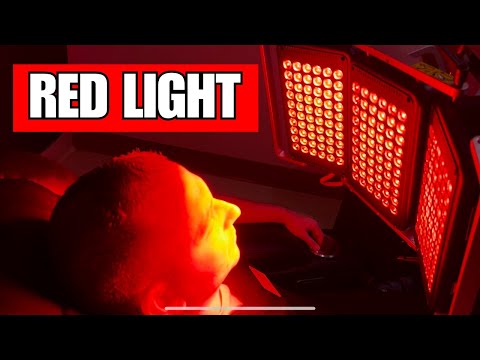
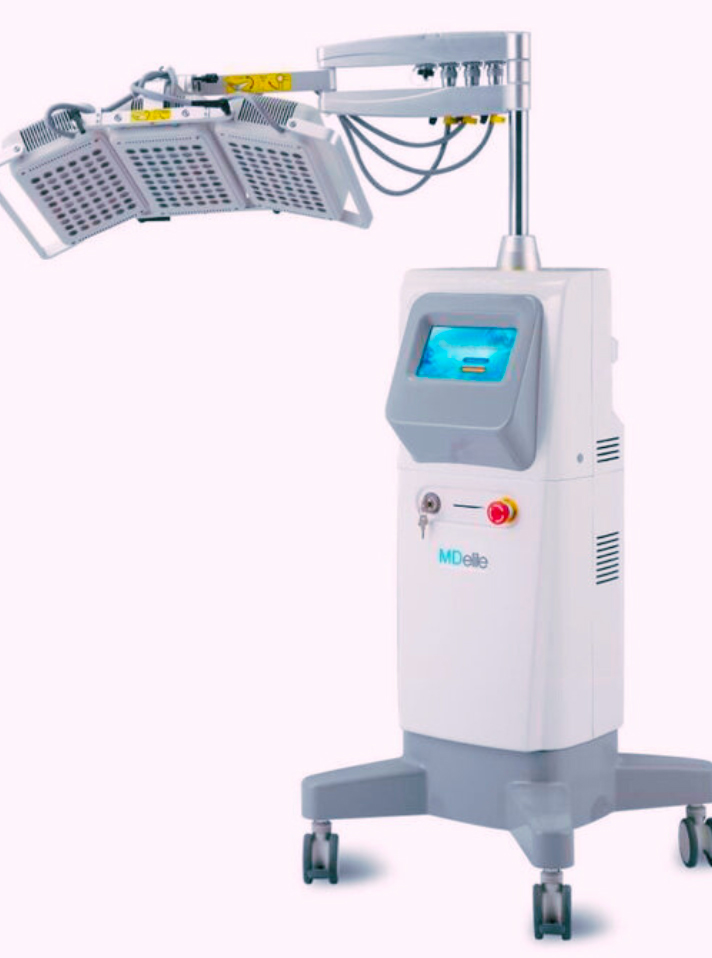
Low-Level Light Therapy — also known as photobiomodulation or cold laser therapy — uses low-intensity lasers or LEDs to stimulate cellular repair, reduce inflammation, and improve meibomian gland function. LLLT works by targeting mitochondrial chromophores that absorb red and near-infrared light, triggering biological processes that enhance blood flow, ATP release, and stem cell activation.
Beyond dry eye and MGD, LLLT has applications in wound healing, pain management, skin rejuvenation, and hair growth. It shows benefits for wrinkles, scars, burns, and inflammatory skin conditions such as psoriasis, acne, and vitiligo, and can help mitigate UV-related skin damage. As a dry eye therapy, it is a gentle, non-invasive complement to IPL-based treatments, helping patients who need additional support restoring tear film stability.
Why Choose Heffington's for Dry Eye Care?
Heffington’s has been caring for eyes in Springfield, Missouri since 1975. We were the first clinic in the area to offer iLUX2® for MGD, and we continue to invest in the most effective, evidence-based technologies available. Our doctors assess each patient individually because no two cases of dry eye are identical.
A few things patients value about our approach:
- Comprehensive tear assessment included in most exams
- Multiple treatment options tailored to your severity
- Same-day appointments often available
- Family-owned practice with deep roots in the Springfield community
Frequently Asked Questions
Am I a good candidate for dry eye treatment?
If you experience persistent dry, burning, or gritty eyes — or if you use artificial tears frequently — you may have MGD. A tear assessment at Heffington's will determine whether you're a candidate for our dry eye treatments.
Does insurance cover dry eye treatment?
Most comprehensive eye exams are covered by insurance, and the tear assessment (including the TBT test) is typically included. Coverage for in-office procedures like iLUX2® varies by plan. Our team can help you understand your benefits before your appointment.
How many treatments will I need?
It depends on the treatment. The iLUX2® procedure typically provides about a year of relief in a single 45-minute session. IPL-based therapies like the iProX and iProElite may require a series of sessions, with maintenance treatments over time. Your doctor will outline a plan based on your assessment results.
How long before I notice improvement?
Many patients notice improvement in their symptoms within days to weeks of treatment, depending on the severity of their MGD and which therapy is used.
Is the treatment painful?
No. All of our dry eye treatments are designed to be comfortable. The iLUX2® uses gentle warmth, and the IPL systems include cooling features that make the experience virtually painless for most patients.
What's the difference between iLUX2®, iProElite, and iProX?
Each treatment targets dry eye from a slightly different angle. iLUX2® physically warms and expresses blocked glands using a handheld device. The iProElite and iProX both use IPL light energy to reduce inflammation and restore gland function, with the iProElite being the newer, more advanced system of the two. Your doctor will recommend the right fit based on your diagnostic results.
Ready to stop managing symptoms and start treating the cause?
Most comprehensive eye exams are covered by insurance, and the tear assessment is typically included. Same-day appointments are often available.
Learn More About Dry Eye
Meibomian Gland Dysfunction Symptoms
What to look for and when to seek help
Meibography: A Game-Changer for Dry Eye Sufferers
How advanced imaging helps us see your glands clearly
How to Treat Dry Eyes
A full overview of treatment options, from home remedies to in-office care
Tips for Using a Humidifier for Dry Eyes
Simple lifestyle changes that can make a difference