
Vision Disorders
Clear, comfortable vision starts with the right diagnosis.
Vision disorders are conditions that affect how your eyes and brain process what you see. They can cause blurry or distorted vision, difficulty focusing, reduced peripheral vision, or, in serious cases, loss of sight. Some are present at birth or inherited, while others develop with age, injury, medical conditions, or environmental factors.
Most everyday vision problems are refractive errors, meaning correctable focusing issues rather than eye diseases. That sets them apart from conditions like glaucoma and cataracts, which involve damage to the eye and require different treatment.
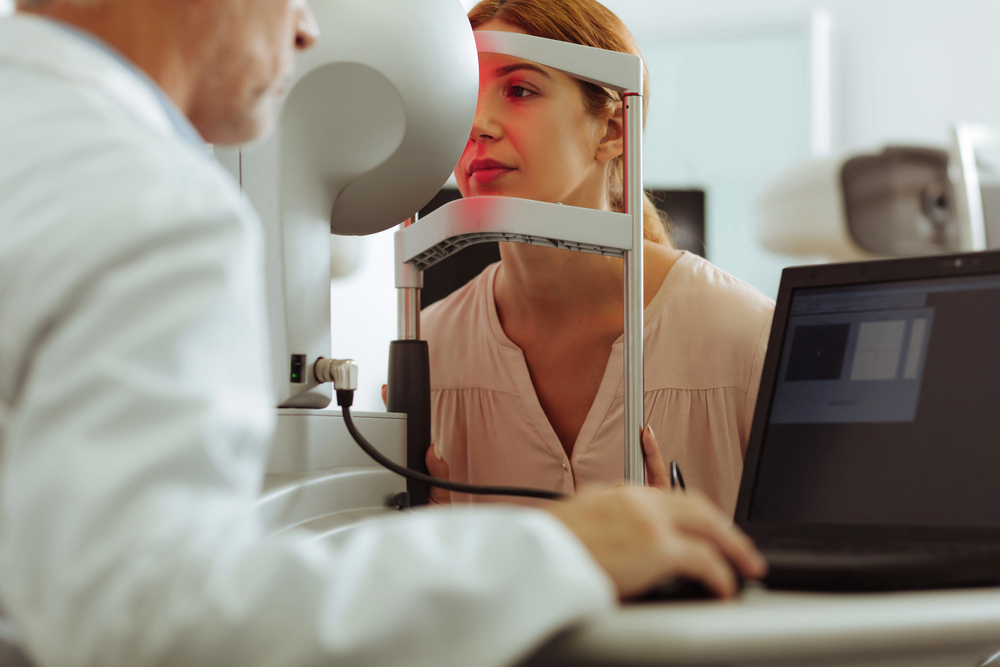
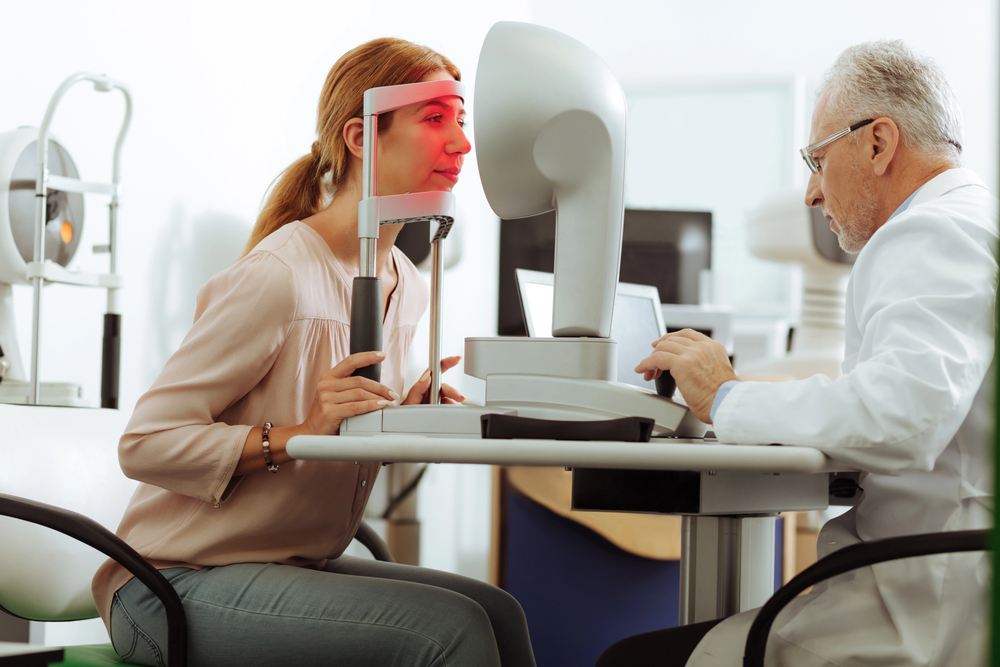
Refractive errors develop when the shape of your eye keeps light from focusing precisely on the retina. Often this comes down to the natural curvature or length of the eye, which is why many people are simply born with a tendency toward nearsightedness or farsightedness. Research suggests refractive errors can be inherited, so a family history of glasses or contacts raises your likelihood of needing them too. Age also plays a role, particularly with presbyopia, and factors like extended screen time or close-up work can contribute to eye strain and blurry vision.
Because the causes vary, an eye exam is the only reliable way to identify what’s behind your symptoms.
Common Refractive Errors We Treat
Astigmatism
Astigmatism causes blurred vision at any distance, usually because the cornea or lens has an irregular, egg-like shape that scatters light instead of focusing it evenly.
Hyperopia (Farsightedness)
Hyperopia is the reverse: distant objects stay sharp while nearby ones blur. Lenses for farsightedness tend to be thicker in the center and thinner at the edges.
Myopia (Nearsightedness)
With myopia, close objects look clear while distant ones appear blurry. Lenses that correct nearsightedness are typically thinner in the center and thicker at the edges.
Presbyopia
Presbyopia is an age-related change in which the eye gradually loses its ability to focus up close. It’s a normal part of aging, easily managed with reading glasses, multifocal lenses, or contacts.
Most refractive errors are corrected with glasses or contact lenses, and the best choice depends on your prescription, lifestyle, and comfort. Prescription glasses, built from quality frames and lenses, are a reliable everyday option, while contact lenses offer a lens-free look for sports, work, or daily wear. During your exam, we’ll help you decide what fits best.
Vision changes often come on gradually, so they’re easy to miss. Consider scheduling an exam if any of these sound familiar:
- Squinting to see clearly
- Frequent headaches or eye strain
- Trouble reading road signs or driving at night
- Holding your phone or a book farther away to focus
- Blurry vision up close, far away, or both
Why Regular Eye Exams Matter
Nearly all the information you use each day reaches your brain through your eyes. When vision slips, reading, driving, and working get harder, and you may start avoiding activities you love. Catching a refractive error early lets us correct it, slow its progression, and protect your long-term eye health.
A comprehensive eye exam is the foundation of that care: we’ll review your vision history, measure how clearly you see at different distances, and determine your exact prescription. From there, we can pinpoint the specific refractive error affecting you and recommend a plan to correct it. An annual exam is the easiest way to stay on top of your eye health.
Trusted Eye Care in Springfield Since 1975
The Heffington family has served Springfield and southwest Missouri since 1975. As a family-owned practice, we manufacture lenses in our own on-site lab, giving us control over quality, turnaround, and pricing. You’ll find us at two convenient locations: Optiland and House of Vision. Whether you need a diagnosis, a second opinion, or new lenses, our optometrists are ready to help.
Frequently Asked Questions
What's the difference between a refractive error and an eye disease?
Refractive errors like myopia and astigmatism affect how your eye focuses light and are corrected with lenses. Eye diseases, such as glaucoma or cataracts, involve damage to eye structures and require different treatment.